Module 02
Evaporative Dynamics
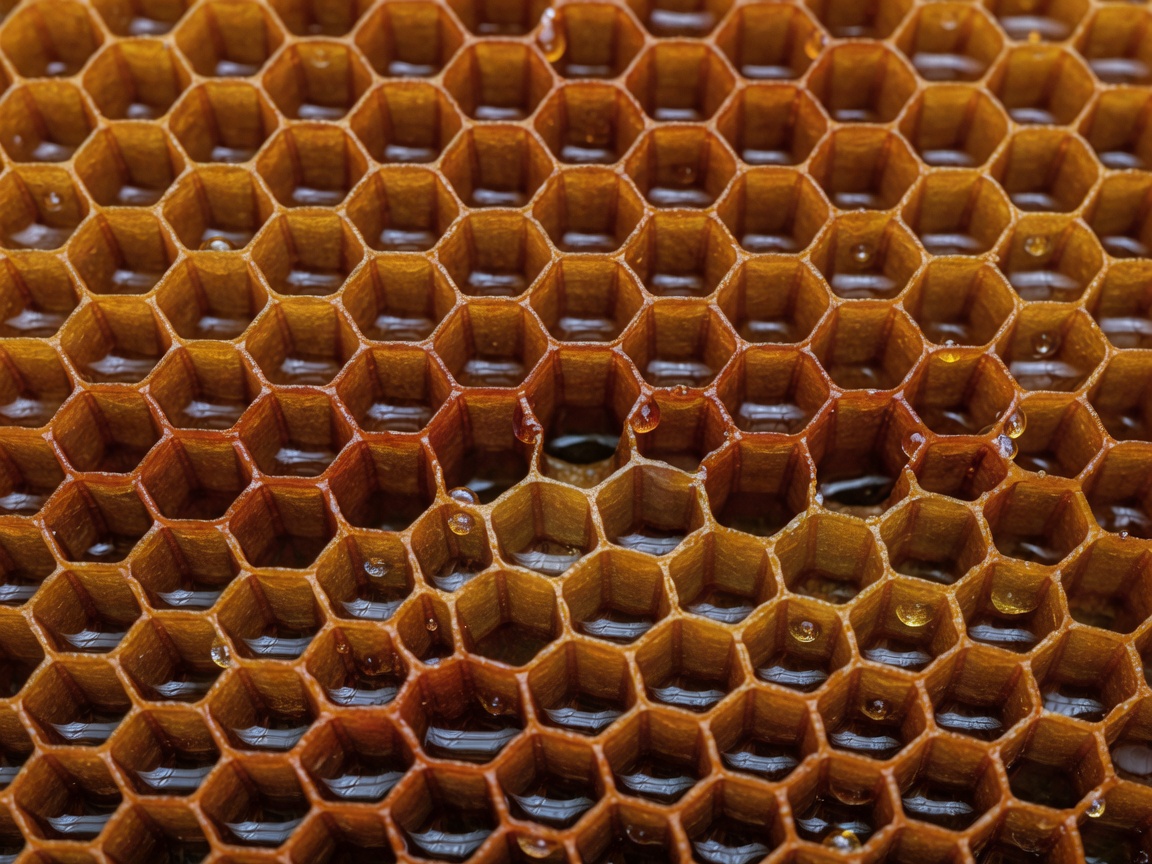
Latent Heat Processing
In geographical sectors defined by high aridity (low relative humidity), deploying compressor-based AC is a severe misallocation of energy. Evaporative dynamics—often colloquially termed "swamp coolers"—operate on natural phase transition.
Water requires a massive amount of heat energy to transition from a liquid to a gas. By forcing hot, dry ambient air through saturated membranes, the water evaporates, absorbing the heat from the air stream. The result is a temperature drop of up to 20°F (11°C) with fractional electrical input, as the only components drawing power are a water pump and an inducer fan.
Environmental Compatibility Matrix
- Optimal Humidity < 30% RH
- Water Usage 3-15 gallons/day
- Fresh Air Intake 100% (No Recirculation)
Indirect Evaporative Configurations
A known limitation of direct evaporative cooling is the addition of humidity to the indoor environment. The cyber-future solution is the Indirect Evaporative Cooler (IEC).
In an IEC, the primary air stream is cooled by evaporating water on the *outside* of a heat exchanger tube. The air sent into the living space is cooled through contact with the cold tube, but it never physically touches the water. The result? Substantial temperature drops with zero humidity added to the internal matrix. When paired with solar arrays, these systems can easily operate entirely off-grid.